What Makes an Assisted Living Neighborhood Feel Like Home?
Business Name: BeeHive Homes of Volcano Cliffs
Address: 6230 Montaño Rd NW, Albuquerque, NM 87120
Phone: (505) 302-1919
BeeHive Homes of Volcano Cliffs
At BeeHive Homes of Volcano Cliffs, New Mexico, we offer the finest assisted living experience available in a cozy, comfortable homelike setting. Each of our residents has their own spacious room with an ADA approved bathroom and shower. We prepare and serve delicious home-cooked meals three times a day every day. We maintain a small, friendly elderly care community. We provide regular activities that our residents find fun and contribute to their health and well-being. Our staff is attentive and caring and provides assistance with daily activities to our senior living residents in a loving and respectful manner. We would like to invite you to tour and experience our assisted living home and feel the difference.
6230 Montaño Rd NW, Albuquerque, NM 87120
Business Hours
Home is not just a roof covering, a layout, or a preferred chair in the edge. For older grownups considering assisted living, "home" typically suggests something much more practical and far more personal. It indicates knowing where the coffee is in the morning, acknowledging the people that walk by your door, really feeling secure adequate to rest well, and having sufficient choice left in the day to feel like yourself.
That is why 2 assisted living communities can supply almost the exact same services theoretically and still feel entirely different in real life. One might be tidy, reliable, and well-run, yet feel impersonal. Another may have the same level of care, yet in some way really feel warmer the minute you stroll in. The difference commonly comes down to information that are easy to overlook if you are only contrasting sales brochures, month-to-month prices, or looking for "assisted living near me" on a phone late at night.
A home-like neighborhood is seldom built on one large feature. It is generally the outcome of many small, constant selections made by leadership, personnel, locals, and families. The shades on the walls matter a little. The food matters more than people expect. The method staff members welcome citizens issues each and every single day. So does personal privacy, freedom, and whether a resident can keep their regimens undamaged, even as they get aid with showering, drug suggestions, dressing, or meals.
Familiarity brings even more weight than luxury
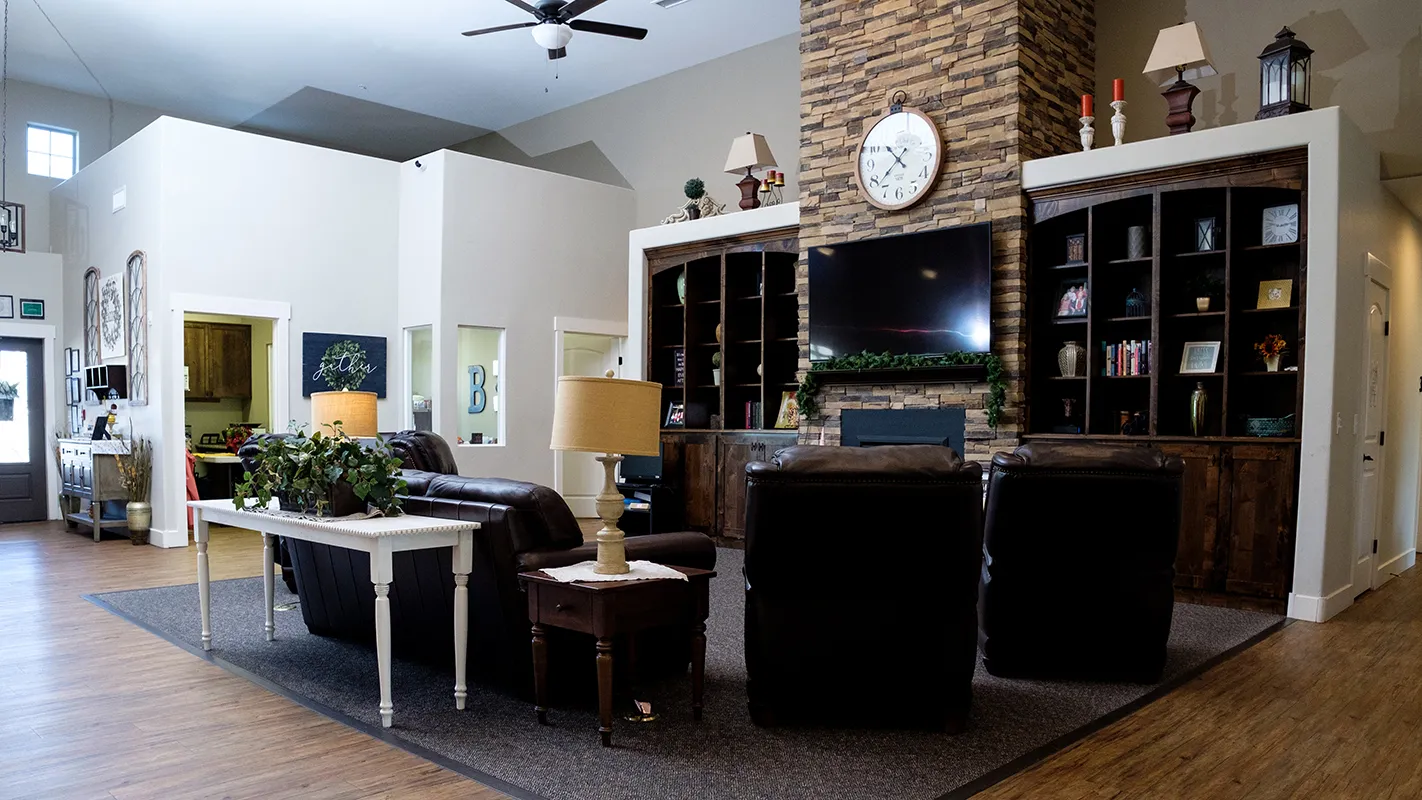
People occasionally assume that a home-like setting has to look like a developer version apartment or condo. In technique, the reverse is typically real. A place can be attractive and still feel cool if it is as well polished to be lived in. What most homeowners respond to is knowledge. A favored recliner chair, a family patchwork, mounted photographs, a light from home, and a shelf that mirrors a life well lived can alter the feel of a room more than pricey furnishings ever will.
The ideal assisted living communities understand this. They do not treat customization as a minor information. They motivate it since it helps locals orient themselves, loosen up, and protect identity. Relocating from a long time residence to senior living can feel disorienting, especially for somebody that has invested years in one area. Recreating a sense of connection assists bridge that gap.
I have seen citizens work out in faster when their apartment or condo door has a wreath they picked themselves, or when their restroom rack is organized in the same order they used for years. Small continuity matters. It is not nostalgic decor. It is useful peace of mind. It tells the brain, "This is still my life."
The tone of the personnel forms everything
People often focus first on the physical setup, however the actual ambience of a community is created by the personnel. Homeowners observe whether employee speak to them or concerning them, whether they knock before entering, whether they keep in mind names, and whether they appear rushed or truly present.
The ideal team in assisted living do more than full tasks. They construct partnerships via repeating and consistency. They recognize that suches as strong coffee, who prefers a quieter lunch table, and that comes to be distressed when routine adjustments. Those information may sound small from the outdoors, however they are the difference in between sensation managed and sensation cared for.
An area can have exceptional professional procedures, but if the tone is hurried or transactional, homeowners feel it promptly. People of any kind of age can sense when a place is only performing solution. Older grownups are especially efficient reviewing whether they are truly seen. A warm greeting at breakfast, an unhurried conversation in the hallway, or a caretaker that notices that someone is quieter than normal can change the psychological environment of an entire wing.
That is why households looking for senior care near me ought to focus not just to qualifications, yet to the rhythm of daily interactions. Does team seem to understand citizens by name? Do they make eye contact? Do they appear to take pleasure in existing? Those observations tell you a great deal.
Control over life maintains dignity
One of the most ignored active ingredients of a home-like assisted living setting is choice. Older adults rarely desire complete freedom in the abstract. They want sufficient control to protect dignity. They want to decide when to wake up preferably, what to use, where to sit, whether to join an activity, and just how much aid they want with personal care.
This matters greater than people realize. When every component of the day is determined by a routine developed for efficiency, a resident can begin to feel like a passenger in their very own life. On the other hand, also moderate versatility can make a neighborhood feel considerate and familiar. If breakfast runs until a reasonable hour, if a resident can miss one activity and attend another later on, if bath times are worked with around preferences instead of ease alone, the whole experience changes.
Good assisted living does not mean getting rid of all friction from the day. It indicates making the right points less complicated while maintaining significant selection. That equilibrium takes judgment. Excessive framework can really feel institutional. Inadequate framework can create confusion. A home-like setup lands someplace in the center, with sufficient assistance to reduce anxiety and adequate adaptability to recognize personality.
Privacy matters greater than square footage
An usual error when assessing senior living is to focus only on home dimension. Bigger behaves, yet privacy is normally more important. A smaller space can feel deeply home-like if it offers a feeling of possession, peaceful, and clear boundaries.

Residents require areas where they can be alone, make a telephone call, pray, snooze, read, or merely close the door. Shared rooms are essential for link, however no one feels comfortable if they are always revealed. Assisted living ought to strike an equilibrium between community and retreat.
The best areas are thoughtful about transitions in between public and personal locations. Hallways ought to not really feel like traffic lanes. Typical locations should invite conversation without forcing it. Apartments should be easy to customize, and personnel should comprehend that knocking, waiting, and appreciating entry are not small politeness. They are part of maintaining a person's sense of self.
This comes to be especially essential for citizens who are naturally personal, those readjusting after a medical facility keep, or individuals that are receiving respite look after a brief duration and do not yet really feel worked out. When people recognize they can step back and regroup in tranquility, they kick back right into the atmosphere a lot more quickly.
Meals can make or break the sensation of home
Few points form life more than food. An area may provide excellent care, yet if dishes are boring, hurried, or offered without attention to preference, citizens often feel the loss immediately. Food lugs memory. It marks regular. It can stimulate household, society, seasons, and comfort.
Assisted living dining need to not feel like a lunchroom line unless that is the only style somebody chooses. Even after that, solution style issues. A warm table setting, recognizable food selection options, and staff who see whether a person consumed well can make meals really feel individual as opposed to step-by-step. The odor of fresh bread, soup, or coffee can do even more to clear up a novice than a glossy brochure ever before could.
Home-like eating additionally appreciates that hungers alter with age. Some individuals consume much less at dinner and even more previously in the day. Others have dental problems, ingesting issues, or medications that alter preference. A thoughtful neighborhood changes without making the resident feeling tough. That level of sensitivity belongs to the emotional structure of home.
Families often inquire about food selections when they are contrasting assisted living alternatives, and rightly so. Ask not only what is offered, however exactly how the dining-room really feels. Do residents remain? Are there real discussions? Can people request for alternatives when required? Does the staff focus on favorites and dislikes? These are the indicators that food is being used to nourish greater than the body.
Small regimens build belonging
Home is commonly constructed from rep. The same early morning walk. The same crossword at the exact same table. The exact same team of neighbors that wave every afternoon. Neighborhoods that really feel home-like recognize the power of regular and shield it.
This does not imply every day should be identical. Far from it. Variety matters. But homeowners generally feel more comfy when there is a predictable baseline. If they know when coffee is offered, when laundry obtains returned, and which staff member typically leads the exercise class, they can work out in without constantly reorienting themselves.
That feeling of rhythm comes to be especially crucial for homeowners experiencing memory loss, sensory modifications, or anxiousness. Predictability minimizes pressure. It aids people preserve energy for the components of the day they actually want to enjoy.
A great assisted living area often develops little rituals without trying too hard. Somebody constantly plays the piano after lunch. A specific caretaker checks in prior to dinner. One resident waters the yard plants every early morning. These habits are not trivial. They develop a lived-in setting that can not be made overnight.
Connection ought to really feel natural, not forced
A home-like community invites link, however it does not push homeowners to be social every minute of the day. That distinction issues. Some older adults are outgoing and will happily sign up with every game, trip, and happy hour. Others like a smaller circle and peaceful companionship. Great senior living appreciates both.
The most inviting neighborhoods make it easy to get involved without making it awkward to decrease. Activities ought to feel like opportunities, not commitments. Homeowners need to be able to sign up with a group if they intend to, or remain in their apartment with a publication and still feel totally consisted of in community life.
This is where assisted living can really beam compared with seclusion in your home. The appropriate community offers people accessibility to others without requiring efficiency. A couple of mins of conversation in the corridor, a shared problem table, or a seated gardening club can lower loneliness in such a way that feels natural. Gradually, a resident may find a friend that rests close by at lunch or joins them for an once a week outing. Those relationships frequently matter more than any type of formal programming.
A home-like setting likewise recognizes that grief, change, and individuality distinctions are real. Not every person arrives prepared to make pals. Some individuals are tired from a recent loss or surgical treatment. Others require time to observe prior to they get involved. Appreciating that pace is essential.
The physical environment need to support the senses
An area that feels like home generally gets the sensory experience right. Lighting is softer however ample. Corridors are very easy to navigate. Noise is controlled without making the area really feel quiet or drab. Temperature is comfortable. Smells are handled without heavy fabricated fragrances. These details issue since the body registers them long prior to the mind forms an opinion.
Older adults are typically much more sensitive to glow, echo, and solid scents. A location that seems stylish to a more youthful site visitor can feel harsh to a resident who spends all day there. The most effective areas represent this by selecting calmer products, clear signs, and comfortable seating that sustains genuine use, not simply appearance.
Safety features must mix right into the atmosphere instead of control it. Handrails, walk-in showers, non-slip floors, and well-lit paths must make individuals feel protected, not clinical. That belongs to what divides a true home-like ambience from a facility way of thinking. Safety should be present, but not the only noticeable message.
Outside spaces matter also. A yard, veranda, or strolling course can be transformative. Even a couple of mins of fresh air and sunlight can transform the feeling of the day. For several residents, the capability to tip outside without trouble is not a luxury. It is part of remaining grounded.
Family participation must feel welcome, not restricted
Families are usually part of what makes a community seem like home, particularly throughout the early transition. The very best assisted living areas make room for that involvement. They invite visits, urge communication, and deal with loved ones as partners as opposed to interruptions.
That said, families additionally need to see whether team can establish healthy limits. A home-like setting is not one where relatives do every little thing. It is one where the resident remains central, and the care group communicates plainly about what is happening, what is altering, and what support is needed.
When family members are maintained informed, they relax. When they really feel listened to, they rely on the atmosphere a lot more. That count on aids the resident settle in. It additionally makes tough minutes easier, whether they entail a drug adjustment, a decrease in wheelchair, or a momentary need for respite care after a hospitalization or caretaker exhaustion at home.
For grown-up children contrasting senior care, the appropriate question is not simply whether they are enabled to visit. It is whether they are valued as notified individuals in the resident's life, while still enabling the resident to possess that life. That balance can be delicate, yet it is one of the clearest indicators of a fully grown community.
What to discover throughout a visit
A brightened tour can hide a great deal, so it assists to observe what happens when the tour mores than and typical life resumes. The lobby may look gorgeous, yet are locals sticking around there due to the fact that they wish to, or since they have no place else to go? Do team member greet people by name? Are homeowners sharp, clothed pleasantly, and moving at their own pace? Is there proof of the real world, not simply staging?
Pay focus to whether the environment really feels individualized. Look for familiar items in houses, resident art work, neighborhood bulletin boards, and rooms that appear used as opposed to presented. A place that really feels home-like typically has indications of long-term inhabitation. The sides are softened by everyday life.
You can find out a great deal by asking useful questions also. Just how are choices recorded? Exactly how are adjustments in problem interacted? What takes place if a resident wishes to miss an activity or eat later? How does the neighborhood assistance a person that requires a bit more help in time? These concerns expose whether the personnel sees assisted living as a static service or as a living relationship.
Here are a couple of indicators that generally point in the appropriate direction:
- Residents appear comfortable in common locations and seem to recognize where they are going.
- Staff participants speak with residents naturally, not just efficiently.
- Apartments and shared spaces reflect genuine individual things, not common staging.
- Daily regimens permit selection rather than stiff uniformity.
- The area feels tranquility, resided in, and attentive without really feeling extremely controlled.
Those indications do not guarantee excellence, but they do recommend that the area comprehends what home truly means.
Home is a feeling, however it is likewise a practice
A home-like assisted living area does not take place by accident. It is built via hundreds of common decisions, much of them unseen. How the early morning handoff is done. Whether somebody bears in mind a resident's recommended nickname. Exactly how quickly a maintenance concern gets repaired. Whether an employee notifications when a longtime napper is avoiding lunch. Whether the neighborhood permits people to maintain the rhythms that make them seem like themselves.
That is the actual step assisted living near me of assisted living at its best. Not whether it looks like a home from a distance, yet whether people living there can still acknowledge their very own lives inside it.

For some locals, that home sensation arrives rapidly. For others, it takes some time. A step can be mentally complicated, even when it is the appropriate choice. But with a thoughtful environment, respectful care, and sufficient area for character, assisted living can end up being greater than a place of support. It can come to be a place where life proceeds with convenience, dignity, and an acquainted feeling of belonging.
BeeHive Homes of Volcano Cliffs provides assisted living care
BeeHive Homes of Volcano Cliffs provides respite care services
BeeHive Homes of Volcano Cliffs supports assistance with bathing and grooming
BeeHive Homes of Volcano Cliffs offers private bedrooms with private bathrooms
BeeHive Homes of Volcano Cliffs provides medication monitoring and documentation
BeeHive Homes of Volcano Cliffs serves dietitian-approved meals
BeeHive Homes of Volcano Cliffs provides housekeeping services
BeeHive Homes of Volcano Cliffs provides laundry services
BeeHive Homes of Volcano Cliffs offers community dining and social engagement activities
BeeHive Homes of Volcano Cliffs features life enrichment activities
BeeHive Homes of Volcano Cliffs supports personal care assistance during meals and daily routines
BeeHive Homes of Volcano Cliffs promotes frequent physical and mental exercise opportunities
BeeHive Homes of Volcano Cliffs provides a home-like residential environment
BeeHive Homes of Volcano Cliffs creates customized care plans as residents’ needs change
BeeHive Homes of Volcano Cliffs assesses individual resident care needs
BeeHive Homes of Volcano Cliffs accepts private pay and long-term care insurance
BeeHive Homes of Volcano Cliffs assists qualified veterans with Aid and Attendance benefits
BeeHive Homes of Volcano Cliffs encourages meaningful resident-to-staff relationships
BeeHive Homes of Volcano Cliffs delivers compassionate, attentive senior care focused on dignity and comfort
BeeHive Homes of Volcano Cliffs has a phone number of (505) 302-1919
BeeHive Homes of Volcano Cliffs has an address of 6230 Montaño Rd NW, Albuquerque, NM 87120
BeeHive Homes of Volcano Cliffs has a website https://beehivehomes.com/locations/volcano-cliffs/
BeeHive Homes of Volcano Cliffs has Google Maps listing https://maps.app.goo.gl/vC78eXZrUYuJ298v9
BeeHive Homes of Volcano Cliffs has Instagram page https://www.instagram.com/beehivealbuquerquewest
BeeHive Homes of Volcano Cliffs has an TikTok page https://www.tiktok.com/@beehivehomesalbuq
BeeHive Homes of Volcano Cliffs won Top Assisted Living Homes 2026
BeeHive Homes of Volcano Cliffs earned Best Customer Service Award 2025
BeeHive Homes of Volcano Cliffs placed 1st for Senior Living Communities 2026
People Also Ask about BeeHive Homes of Volcano Cliffs
What is BeeHive Homes of Volcano Cliffs Living monthly room rate?
Our base rate is $7,100 per month. We do an assessment of each resident's needs upon move-in, so each resident's rate may be slightly higher. However, there are no add-ons or hidden fees. We also charge a one-time community fee of $2,000 at move-in
Does Medicare or Medicaid pay for a stay at Bee Hive Homes?
Medicare pays for hospital and nursing home stays, but does not pay for assisted living. Some assisted living facilities are Medicaid providers, but we are not. We do accept private pay, long-term care insurance, and we can assist qualified Veterans with approval for the Aid and Attendance program
Do we have a nurse on staff?
We do have a nurse on contract who is available as a resource to our staff but our residents' needs do not require a nurse on-site. We always have trained caregivers in the home and awake around the clock
What can you tell me about the food at Bee Hive?
You have to smell it and taste it to believe it! We use dietitian-approved meals with alternates for flexibility, and we can accommodate needs for different texture and therapeutic diets. We have found that most physicians are happy to relax diet restrictions without any negative effect on our residents
Do we allow pets?
We do allow small pets as long as the resident is able to care for them. State regulations also require that we have evidence of current immunizations for any required shots
Where is BeeHive Homes of Volcano Cliffs located?
BeeHive Homes of Volcano Cliffs is conveniently located at 6230 Montaño Rd NW, Albuquerque, NM 87120. You can easily find directions on Google Maps or call at (505) 302-1919 Monday through Sunday 10:00am to 7:00pm
How can I contact BeeHive Homes of Volcano Cliffs?
You can contact BeeHive Homes of Volcano Cliffs by phone at: (505) 302-1919, visit their website at https://beehivehomes.com/locations/volcano-cliffs/ or connect on social media via Instagram Facebook or TikTok
Visiting the Mariposa Basin Park offers expansive green space and recreational opportunities that can provide enjoyable outings for individuals receiving Assisted living memory care senior care elderly care and respite care.